 Chuckanut Exterior
 Asphalt Shingle Roofing Built for the York Area
Homes in and around York, near Chuckanut in Whatcom County, sit in a stretch of Pacific Northwest coastline that is genuinely hard on a roof. You've got salt-laden air coming off the water, long stretches of driving rain through the fall and winter, and a moss season that seems to start earlier and last longer every year. An asphalt shingle roof that's installed correctly for this specific environment will outlast one that was put on using generic techniques by a crew that doesn't know the difference between a roof in a dry inland valley and one two miles from saltwater. This page covers what a proper asphalt shingle roof looks like for a York home, what goes wrong when it's done poorly, and how our process is built around the conditions you actually live with.
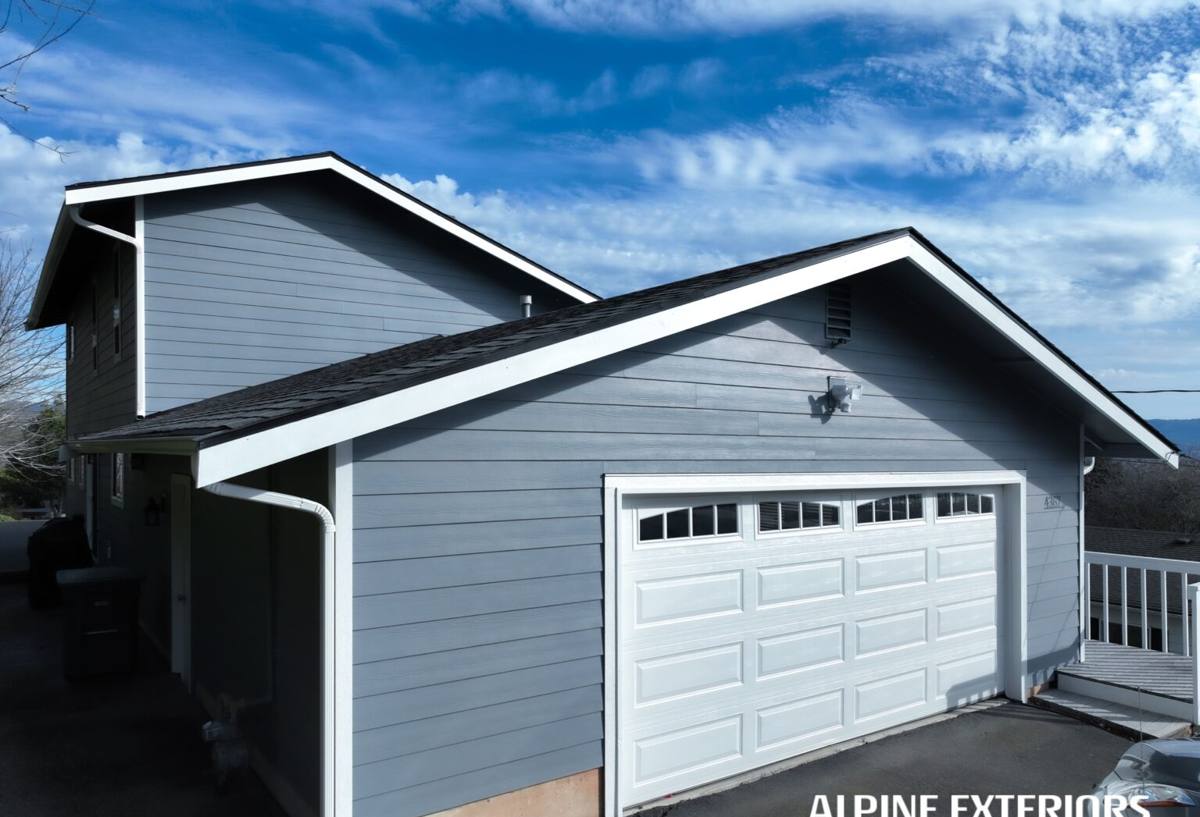
Why the Local Climate Changes the Job
Asphalt shingles are a proven, affordable roofing material almost everywhere in the country, but "everywhere" doesn't include a marine-influenced corner of Whatcom County. Three local factors matter more here than in most parts of the country:
Salt Air
Airborne salt accelerates corrosion on any exposed metal — nail heads, flashing, vent stacks, gutter hardware. On a roof that's only a few miles from Chuckanut's shoreline, cheap or under-spec'd fasteners and flashing can start showing rust streaks and pinhole corrosion years before they would inland. That corrosion doesn't just look bad; it's how leaks start.
Driving Rain
This part of Washington doesn't just get rain, it gets wind-driven rain that hits roof planes at an angle instead of falling straight down. That matters for shingle installation because it means water is testing every seam, every nail line, and every flashing detail from the side, not just from above. A shingle pattern or flashing detail that would be "fine" in a calmer climate can leak here.
Moss and Sustained Moisture
Shade, humidity, and mild temperatures are a perfect combination for moss and algae growth on north-facing and shaded roof slopes. Moss isn't just cosmetic — it holds moisture against the shingle surface, works its way under shingle tabs as it grows, and can lift edges enough to let water in. A roof that goes years without any moss management will age faster than its rated lifespan suggests it should.
What a Correct Asphalt Shingle Job Actually Involves
A shingle roof is a system, not just a layer of shingles nailed to plywood. Every layer underneath the visible shingle does specific work, and skipping or downgrading any of them is where most premature roof failures start.
- Deck inspection and repair — any soft, delaminated, or water-damaged sheathing gets replaced before anything else goes down. Shingles installed over a compromised deck will fail regardless of shingle quality.
- Ice-and-water shield at vulnerable zones — eaves, valleys, and roof-to-wall transitions get a self-adhering waterproof membrane, not just felt. These are the spots wind-driven rain finds first.
- Synthetic underlayment across the field — a secondary water barrier under the shingles that also protects the deck during construction before shingles go on.
- Corrosion-resistant flashing and fasteners — for a coastal-influenced property, this means stepping up from the bare minimum metal and fastener spec, not using whatever is cheapest.
- Proper nailing pattern — correct nail placement and count per shingle, following manufacturer specs, so the shingle can actually resist wind uplift and driving rain instead of just sitting there looking installed.
- Ventilation — balanced intake and exhaust airflow in the attic so moisture doesn't condense against the underside of the deck, which rots sheathing from the inside where you can't see it.
- Valley and penetration detailing — valleys, chimneys, vent stacks, and skylights are where the majority of roof leaks actually originate, so these get extra attention rather than a quick pass.
Shingle Options and How They Hold Up Locally
Not every asphalt shingle product performs the same way under salt air and sustained wet weather. The table below is a general guide to the tiers you'll typically choose between.
| Shingle Type | Typical Lifespan | How It Handles This Climate |
|---|---|---|
| 3-tab (economy) | 15-20 years | Lower wind and impact resistance; moss and algae show up faster on the flat profile; least forgiving of a lower-budget install |
| Architectural / dimensional | 25-30 years | Heavier, better wind rating, more common choice for coastal-influenced roofs; better long-term value here |
| Algae-resistant (AR) architectural | 25-30 years | Copper or zinc granule treatment slows algae and moss growth on shaded, damp slopes — worth the upgrade on north-facing roof planes |
| Premium / designer | 30+ years | Highest wind and impact ratings, best warranty structure; makes the most sense on steep, highly visible, or storm-exposed roof planes |
For most York homes, we steer people toward at least an architectural shingle, and algae-resistant granules on any slope that stays shaded or damp for long stretches of the year. It costs more up front than 3-tab, but the maintenance burden and replacement timeline over the life of the roof usually make it the better decision, not just the safer one.
How We Approach a York Roofing Project
Our process doesn't change because a job is in York versus another part of the Chuckanut area, but the details we pay closest attention to are shaped by working roofs in this exact environment repeatedly.
1. On-Site Assessment
We walk the roof, check the attic for ventilation and existing moisture issues, and look closely at valleys, flashing, and any shaded slopes where moss has already taken hold. We're also checking how exposed the roof is to wind-driven rain based on its orientation and surrounding tree cover.
2. A Written Scope, Not a Vague Estimate
You get a clear breakdown of what's being replaced, what underlayment and flashing spec is being used, and why — not just a single number. If your roof needs deck repair or additional ventilation work, that's called out up front instead of discovered as a surprise mid-project.
3. Tear-Off and Deck Inspection
Full tear-off lets us actually see the deck condition, which you cannot reliably assess from the ground or from photos. Any damaged sheathing gets addressed before new underlayment goes down.
4. Installation to Manufacturer Spec
Underlayment, ice-and-water shield at vulnerable areas, flashing, and shingles installed per manufacturer specification — the nailing pattern, exposure, and fastener spec aren't shortcuts we take even when they'd be faster.
5. Final Walkthrough
We walk the finished roof with you, cover basic care and what moss or debris buildup to watch for, and make sure you understand what's covered under warranty and for how long.
Maintenance That Actually Extends Roof Life Here
An asphalt shingle roof in this climate needs a little more attention than the same roof would in a drier region, but it's not complicated. The checklist below covers what actually matters.
- Keep gutters and valleys clear of needles and debris, especially going into the fall rain season — clogged valleys are a direct path to leaks.
- Have shaded or north-facing slopes checked for moss growth at least once a year; catching it early means a gentle treatment instead of shingle damage.
- Trim back overhanging branches where practical — less shade and debris means slower moss growth and less physical wear on the shingle surface.
- After any significant windstorm, a quick visual check (from the ground, or have us take a look) for lifted or missing shingles can catch a small problem before it becomes a leak.
- Never pressure-wash a shingle roof to remove moss — it strips granules and shortens the shingle's life. Soft-wash or manual removal methods only.
- Keep attic ventilation paths (soffit vents, ridge vents) clear of insulation or debris so moisture isn't trapped against the roof deck.
Signs a York Roof Needs Attention
Because wind-driven rain and moss work differently than a straightforward leak, some warning signs are easy to miss until there's already interior damage. Watch for granules collecting in gutters (a sign shingles are wearing down), dark streaking or moss patches on shaded slopes, curling or cupping shingle edges, and any staining on interior ceilings near exterior walls or valleys. None of these mean you need a full replacement automatically, but they're worth a professional look before the next heavy rain season.
Why a Crew That Already Works York Matters
A roofing crew that mainly works drier or inland regions will still know how to install a shingle roof — but they may not default to the flashing spec, fastener grade, or ventilation detailing that a salt-air, high-rainfall property actually calls for unless you specifically ask. A crew that regularly works properties around Chuckanut and the surrounding Whatcom County coastline treats those details as standard practice, not an upsell. That familiarity also means we're not guessing at how a particular roof orientation or tree cover pattern will behave through a wet Pacific Northwest winter — we've seen it play out on similar roofs nearby.
Get a Straightforward Estimate
If your roof is showing wear, due for replacement, or you just want an honest read on its current condition, we're happy to take a look. There's no pressure and no obligation — just a clear assessment and a written scope you can use to make the decision on your own timeline. Fill out the form below and we'll set up a time to come take a look.