 Chuckanut Exterior
 Why Silver Beach Siding Wears Out Faster Than People Expect
Silver Beach sits close enough to the water that homes here take on a different kind of weather load than siding was designed for on paper. Salt-laden air off the bay works its way into seams, fastener heads, and any gap in a coating system. Driving rain, pushed sideways by wind off the water, hits walls at angles that shed water poorly designed siding simply isn't built to handle. And Whatcom County's long, damp shoulder seasons mean moss and algae have months at a time to take hold on any surface that stays shaded and wet.
None of this is unusual for the Pacific Northwest coast, but it does mean siding decisions that work fine forty miles inland can fail early here. We've replaced siding in Silver Beach that was barely a decade old — not because the homeowner did anything wrong, but because the product or the installation wasn't matched to what this specific location throws at a house year after year.
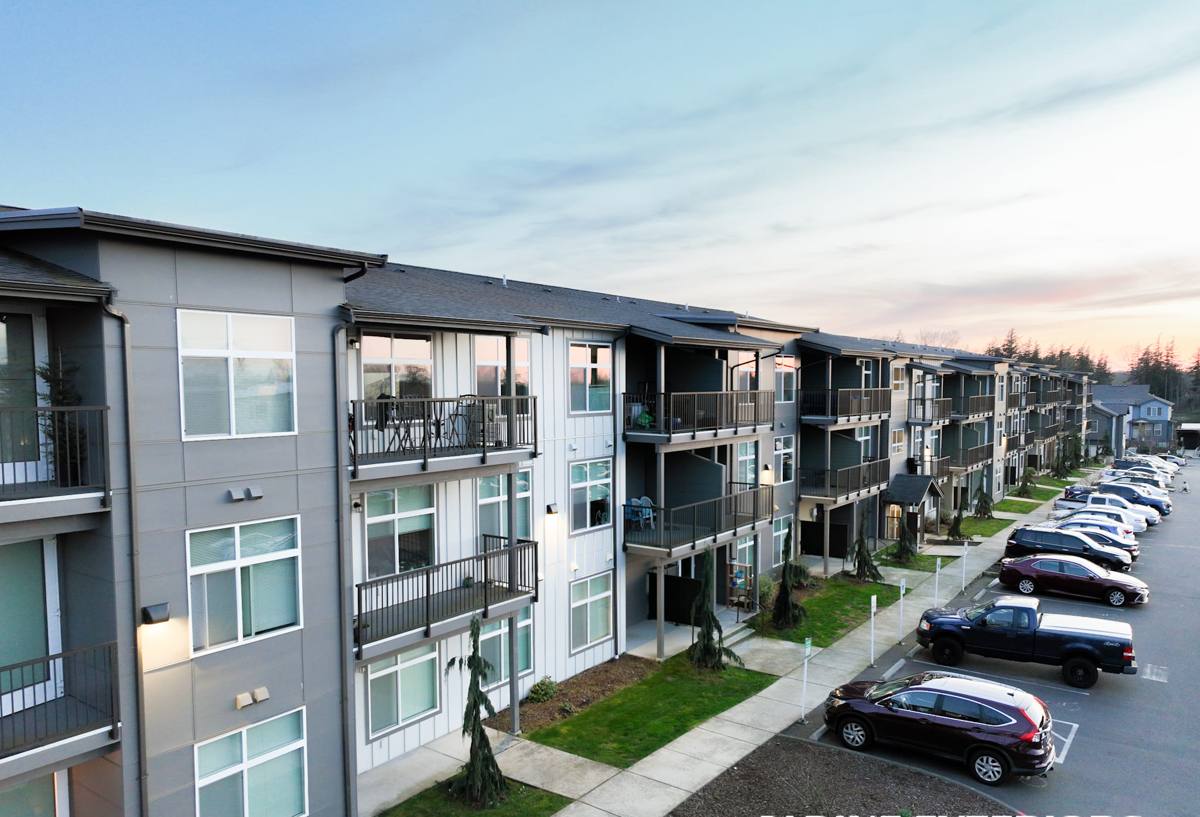
What "Correct" Siding Replacement Actually Involves
Siding replacement is not a cosmetic swap. The siding itself is only the visible layer of a system that has to manage water, air, and moisture for the next several decades. Doing it correctly means addressing everything underneath, not just what's on the surface.
Full Tear-Off, Not Overlay
We remove the old siding down to the sheathing rather than installing new siding over the old. Overlaying traps moisture, hides existing damage, and voids most manufacturer warranties. It also means we can't actually see what condition the wall is in — and on a property exposed to salt air and driving rain, that's exactly the information we need before we close the wall back up.
Sheathing and Framing Inspection
Once the old siding is off, we inspect the sheathing and framing underneath for rot, soft spots, or prior water intrusion. This is often where the real story of a house's siding history shows up — a leak that was never visible from outside because the old siding hid it. Any compromised sheathing gets replaced before anything new goes up.
Weather-Resistive Barrier and Flashing
The house wrap and flashing details around windows, doors, and penetrations matter more than the siding material itself when it comes to keeping a wall dry. We install a proper drainage plane and correct flashing at every transition — this is the layer that actually stops wind-driven rain from reaching the framing, and it's also the layer most often installed wrong or skipped on lower-budget jobs.
Fastening and Clearances to Manufacturer Spec
Fiber cement siding has specific fastening patterns, nailing zones, and ground and roofline clearances that are engineered for a reason — get them wrong and you create the exact moisture entry points the system was designed to prevent. We install to the manufacturer's published specifications every time, not "close enough."
Signs a Silver Beach Home Needs Siding Replacement Now
- Visible cracking, buckling, or warping, especially on walls facing the water or prevailing wind
- Soft or spongy spots when you press on the siding near the bottom courses or under windows
- Persistent moss or dark streaking that returns within a season or two of cleaning
- Paint that's failing faster than the repaint cycle you're used to elsewhere
- Visible gaps, missing caulk, or separation at seams and corner boards
- Interior signs — musty smell, peeling interior paint, or stains on walls that back up to exterior siding
Any one of these on its own might just need a repair. Several together, especially on a home that's had multiple owners or unknown repair history, usually mean it's time to evaluate full replacement rather than another patch.
Why We Install James Hardie and Nothing Else
We stopped installing vinyl, LP SmartSide, primed spruce, cedar, and other fiber cement brands because we were tired of watching homes in exactly this kind of exposure — coastal, wet, shaded — come back with problems those products struggle with structurally. That's not a knock on every use case for those materials elsewhere; it's a statement about what holds up specifically where Silver Beach sits.
| Material | Behavior in Salt Air & Driving Rain | Moss/Algae Resistance | Long-Term Trade-Off |
|---|---|---|---|
| Vinyl | Can warp, buckle, or crack in temperature swings and wind-driven rain finds its way behind panels | Low — surface holds moisture and organic growth | Lowest upfront cost, but shortest realistic lifespan in this exposure |
| LP SmartSide (engineered wood) | Wood-based core is vulnerable if the coating is breached and moisture gets in | Moderate — susceptible if not maintained closely | Requires diligent caulk and paint upkeep to avoid swelling or rot at edges |
| Cedar / primed spruce | Natural wood movement, prone to cupping and checking under repeated wet-dry cycles | Low — organic material feeds growth without frequent treatment | Highest ongoing maintenance burden; refinishing on a short cycle |
| Other fiber cement brands | Similar base material to Hardie but factory finish quality and HZ climate engineering vary by manufacturer | Varies by coating system | Warranty and finish durability are inconsistent brand to brand |
| James Hardie fiber cement | Non-combustible, engineered HZ5 product line built for the Pacific Northwest's wet climate | High — ColorPlus factory finish resists fading and holds up to repeated cleaning | Higher installed cost, offset by durability and a strong transferable warranty |
James Hardie's HZ5 product line is specifically engineered for climates like ours — freeze-thaw cycles, sustained moisture, and coastal exposure. The ColorPlus factory finish is baked on under controlled conditions, which is a meaningfully different process than field-painting siding on site, and it holds color and resists the kind of moss staining that plagues wood and vinyl siding near the water. It's also non-combustible, which matters given wildfire smoke seasons are now a regular part of a Washington summer even on the wet side of the state.
Our Siding Replacement Process for Silver Beach Homes
- On-site assessment — we walk the exterior, check exposure on each elevation, and look for existing moisture or rot signs before quoting anything
- Full tear-off — old siding and trim removed down to the sheathing
- Sheathing repair — any damaged or rotted sheathing replaced, framing inspected
- Weather barrier and flashing — new drainage plane installed with correct flashing at every window, door, and penetration
- James Hardie installation — panels, lap siding, or trim installed to manufacturer fastening and clearance specifications
- Detail work — corner boards, trim, and caulking finished to shed water at every joint
- Final walkthrough — we review the completed work with you before calling the job done
What Drives the Cost of Siding Replacement Here
| Factor | Why It Matters in Silver Beach |
|---|---|
| Home size and number of stories | More square footage and taller walls mean more material, labor, and staging/scaffolding time |
| Sheathing condition underneath old siding | Water-damaged sheathing found during tear-off adds repair scope you can't fully price until the wall is opened |
| Trim and detail complexity | Homes with more corners, dormers, and window trim take longer to flash and finish correctly |
| Siding profile chosen | Lap siding, panel systems, and shingle-style Hardie products carry different material and labor costs |
| Site access | Waterfront and hillside lots common in this area can add setup complexity compared to a flat, open lot |
We don't quote a job until we've actually looked at it. A phone estimate on siding replacement is a guess; an accurate number requires seeing the current condition of the walls, not just measuring square footage from the street.
Why a Crew That Already Works Silver Beach Matters
Coastal Whatcom County exposure isn't identical to inland Bellingham or the drier east side of the state, and it's not identical from one waterfront lot to the next either. A crew that's replaced siding on homes in this specific area already knows which elevations tend to take the worst of the wind-driven rain, where moss builds up fastest, and how salt air affects fastener and flashing choices over time. That's the kind of judgment that comes from doing the work here repeatedly, not from a general checklist.
It also means we're not learning on your house. We know what James Hardie's HZ5 line is rated to handle, and we know what this stretch of Chuckanut-area coastline actually delivers in a wet winter. Matching those two things correctly is the whole job.
Keeping New Siding Looking Right After Installation
- Rinse siding with a garden hose once or twice a year to clear salt residue and organic buildup before it takes hold
- Keep gutters clear so overflow doesn't run down and stain wall sections repeatedly
- Trim back vegetation and tree cover that keeps siding shaded and damp longer than necessary
- Inspect caulking at trim and window joints annually and have any gaps addressed promptly
- Address any impact damage or cracking quickly rather than letting moisture find its way behind the panel
James Hardie's factory finish is built to reduce this workload compared to field-painted materials, but no siding is entirely maintenance-free in a marine climate. A little seasonal attention goes a long way toward getting the full lifespan out of the installation.
If your Silver Beach home is showing any of the wear signs above, or you're simply planning ahead, we're happy to take a look and give you a straight answer about what your siding actually needs. Use the form below to request a free, no-pressure estimate.