 Chuckanut Exterior
 Board & Batten Siding, Sized Up for Sehome's Weather
Board and batten is one of the most requested siding profiles we install in and around Sehome — and for good reason. The vertical lines read as clean and modern on newer builds, but the same profile also sits comfortably on older Whatcom County homes with a more traditional, farmhouse-leaning look. It's a versatile choice architecturally. What most homeowners don't realize is that board and batten is also one of the least forgiving profiles when it's installed wrong, because every seam, every batten, and every fastener line is a potential entry point for water if the details aren't handled correctly.
That matters more in Sehome than in a lot of places. Homes here sit close enough to the water and the surrounding hills that they take on a specific combination of weather stress: salty, moisture-laden air moving in off the Sound, long stretches of driving rain through fall and winter, and short, low-sun days that let moss and algae get a foothold and never really let go. Board and batten done right shrugs all of that off for decades. Board and batten done wrong shows problems within a few winters.
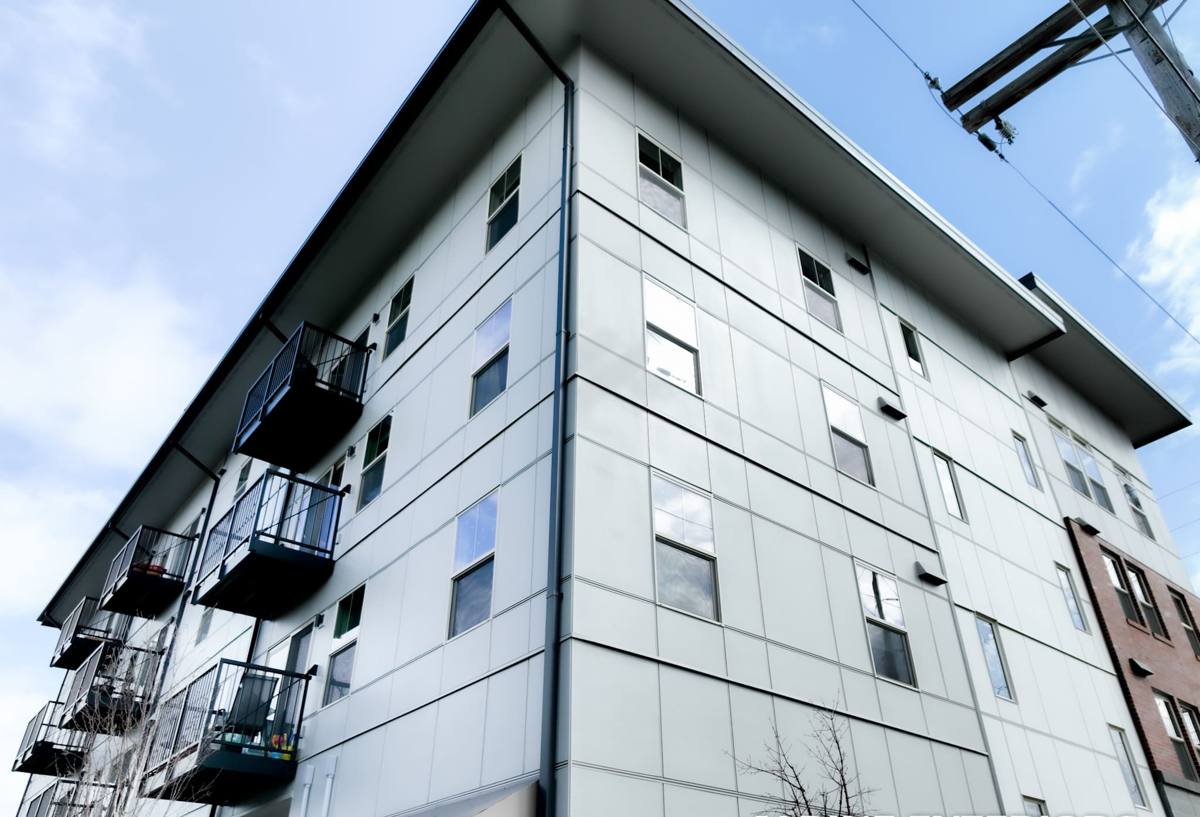
What Salt Air, Driving Rain, and Moss Season Actually Do to Siding
Three separate stressors hit Sehome homes year-round, and they compound each other:
Salt Air
Airborne salt is corrosive to exposed metal fasteners and flashing, and it's abrasive to painted or coated surfaces over time. Siding materials and finishes that aren't rated for coastal exposure can chalk, fade, or corrode faster here than the same product would inland — even a few miles inland.
Driving Rain
Whatcom County doesn't just get rain, it gets wind-driven rain that hits walls at an angle instead of running straight down. That means water finds its way sideways into laps, seams, and butt joints that would stay dry in a calmer climate. Vertical profiles like board and batten have more vertical seams than horizontal lap siding, so the flashing and caulking details at those seams carry more weight.
Moss and Algae Season
Shaded north-facing walls, tree-lined lots, and the region's long damp stretches give moss and algae exactly what they need to colonize a wall. Once organic growth gets established in a seam or at the base of a batten, it holds moisture against the substrate behind it — which is a slow, quiet way for rot to start in materials that can't handle sustained dampness.
None of this means Sehome is a bad place to side a house. It means the region rewards a material and an installation approach that's actually engineered for this kind of exposure, and punishes anything that's cutting corners.
Why We Only Install Board & Batten in James Hardie Fiber Cement
We don't offer board and batten in vinyl, LP SmartSide, primed spruce, cedar, or other fiber cement brands. That's a deliberate standard, not a sales pitch, and it's worth explaining honestly.
Wood Board and Batten (Cedar, Primed Spruce)
Real wood board and batten looks great on day one. The problem is long-term: wood is organic, and in a climate with this much sustained moisture and moss pressure, it needs a disciplined repaint and recaulk schedule to keep water out of end grain and seams. Skip a cycle or two and rot can start behind the finish where you can't see it. It's a beautiful product for an owner who wants to commit to the maintenance. It's not what we put on a home we're standing behind.
Vinyl Board and Batten
Vinyl is low-maintenance and inexpensive, but it's a thin plastic product that moves with temperature and can crack or become brittle over time, especially with UV and salt-air exposure. It also can't take the crisp, deep-shadow-line look that makes board and batten attractive in the first place — the panels tend to look flat compared to a true fiber cement or wood profile.
Other Fiber Cement Brands
Not all fiber cement is engineered the same way. We standardized on James Hardie specifically because of its HZ5 product line, which is formulated for regions with sustained moisture exposure like ours, its factory-applied ColorPlus finish (which is baked on and warranted separately from the substrate), and a transferable warranty backed by a manufacturer with decades of track record in this climate. Installed correctly, it holds paint lines, resists moisture intrusion, and doesn't feed rot or pests the way organic materials can.
The honest trade-off: Hardie board and batten costs more upfront than vinyl and is heavier and more labor-intensive to install correctly than most alternatives. We think that cost is worth it because of how much less it costs a homeowner over the life of the siding — fewer repaints, fewer callbacks, less risk of hidden water damage behind the wall.
What a Correct Board & Batten Installation Actually Involves
Board and batten looks simple — vertical boards, battens over the seams — but the parts you can't see are what determine whether it lasts.
- Drainage plane behind the siding: a weather-resistant barrier (and ideally a rainscreen gap) so any moisture that does get past the surface can drain and dry out instead of sitting against the sheathing.
- Correct batten spacing and fastening: battens fastened into framing, not just through sheathing, with spacing that accounts for the panel's expansion and contraction.
- Flashing at every horizontal transition: window heads, door heads, roof lines, and any place a horizontal surface meets the wall needs proper flashing, not just caulk.
- Sealed and primed cut edges: every field cut on Hardie board exposes raw fiber cement that has to be sealed before installation, or it becomes a weak point for moisture absorption.
- Manufacturer-spec fastener patterns: corrosion-resistant fasteners, placed and countersunk to spec, matter more here given the salt air.
- Proper clearance at grade and roof lines: siding held off decks, patios, and roof surfaces per code and manufacturer requirements so water doesn't wick up from below.
Any one of these done wrong won't show up as a problem immediately. It shows up two, five, or ten years later as a soft spot, a paint failure, or a moisture reading behind the wall that shouldn't be there.
Board & Batten vs Other Siding Options for a Home Like Yours
| Factor | Hardie Board & Batten | Vinyl Board & Batten | Wood (Cedar/Spruce) |
|---|---|---|---|
| Moisture resistance in driving rain | Strong, when detailed correctly | Moderate — seams and corners are weak points | Depends entirely on maintenance |
| Salt air / coastal durability | Rated for it (HZ5 line) | Can chalk and become brittle over time | Finish breaks down faster near salt exposure |
| Moss/algae resistance | Doesn't feed organic growth; ColorPlus finish resists staining | Doesn't feed growth but shows staining | Organic material — moss and rot risk if not maintained |
| Maintenance cycle | Occasional wash, repaint on a long cycle if ever needed | Low, but limited repair options if damaged | Repaint/reseal every few years |
| Upfront cost | Higher | Lowest | Mid-to-high, plus ongoing maintenance cost |
Our Process, Start to Finish
1. On-Site Assessment
We look at the existing wall assembly, the home's exposure (how much sun, wind, and driving rain a given elevation actually takes), and any existing moisture or moss issues before we talk product.
2. Plan the Details, Not Just the Material
We spec out flashing points, drainage plane strategy, and batten layout specific to the home — not a one-size-fits-all install.
3. Tear-Off and Substrate Check
Where we're replacing existing siding, we check the sheathing underneath for hidden damage before anything new goes up. This is often where we find out why a previous installation failed.
4. Installation to Manufacturer Spec
Hardie board and batten installed per James Hardie's fastening, clearance, and flashing requirements — the requirements that keep the warranty valid and, more importantly, keep water out.
5. Final Walkthrough
We walk the finished job with the homeowner, seam by seam, before calling it done.
Maintaining Board & Batten Through a Sehome Winter
Hardie fiber cement is low-maintenance, not no-maintenance. A short, seasonal checklist keeps it performing the way it's supposed to:
- Rinse the exterior once or twice a year to clear salt residue and organic buildup, especially on shaded or north-facing walls.
- Walk the perimeter after major storms and check for anything loose, cracked, or displaced around battens and trim.
- Keep gutters and downspouts clear so water isn't sheeting down the wall face during driving rain.
- Trim back vegetation and tree cover that keeps a wall section shaded and damp longer than the rest of the house.
- Watch caulk lines at window and door trim for cracking or separation, and have them touched up before a wet season, not after.
Why a Crew That Already Works in Sehome Matters
Siding detail work is local knowledge as much as it's a trade skill. A crew that already works homes in Sehome and the broader Chuckanut area knows which elevations take the worst of the driving rain, how aggressively moss establishes on shaded walls in this specific microclimate, and where salt exposure tends to hit fasteners and trim hardest. That's not something you get from a general contractor working a project list from a different county — it's pattern recognition built from doing this exact work, in this exact weather, over and over.
If you're weighing board and batten for a home in Sehome, we're glad to walk the property, talk through what your specific elevations are up against, and put together a straightforward, no-pressure estimate — no inflated urgency, just an honest look at what the job actually needs. Use the form below to get started.